
Merchant cash advances
for UK SMEs
A quiet month at the till can still leave you with a full loan repayment due. A merchant cash advance ties what you repay to what you actually take through the till - so a slow week costs you less, and a busy one pays it down faster.


At SMEmoney.co.uk, we do things differently
Pricing and repayment structures vary - so comparing matters
We are not a lender or a broker. We simply refer your details to expert broker partners, based on your requirements, who between them have access to over 70 specialist UK lenders.
Pricing and repayment structures for cash advances vary more between providers than almost any other product we cover, so comparing more than one quote matters here more than usual.

Why use a merchant cash advance?
Funding built around your card sales
A merchant cash advance is built around your card sales rather than your credit history or your assets - which is why it works for businesses a bank might turn away.
Merchant cash advances allow you to:
- Move Repayments With Sales: A percentage of your card takings is repaid each day or week, so a slow month costs you less than a busy one.
- Borrow Without Property or Equipment: The advance is unsecured against business assets and assessed mainly on your card sales history.
- Get Funded Quickly: Many providers can get funds into your account within 24 to 48 hours of approval.
- Qualify With a Shorter Trading History: Lenders weigh your recent card sales pattern more heavily than years of accounts, so newer businesses are often still eligible.
Choosing the right cash advance
Two routes depending on how your customers pay you
Not every card-taking business fits the same mould, so there are two main routes depending on how your customers actually pay you.
With a Merchant Cash Advance, the amount you can raise and how quickly you repay it both link to your card terminal sales - typically a percentage of your average monthly card takings. It suits businesses where most income comes in by debit or credit card.
With a Business Cash Advance, the lender looks at your total business revenue across your bank account rather than card sales alone. This suits businesses that also take a lot of bank transfers, cash, or online payments alongside their card terminal.
A closer look at your options
Merchant cash advance
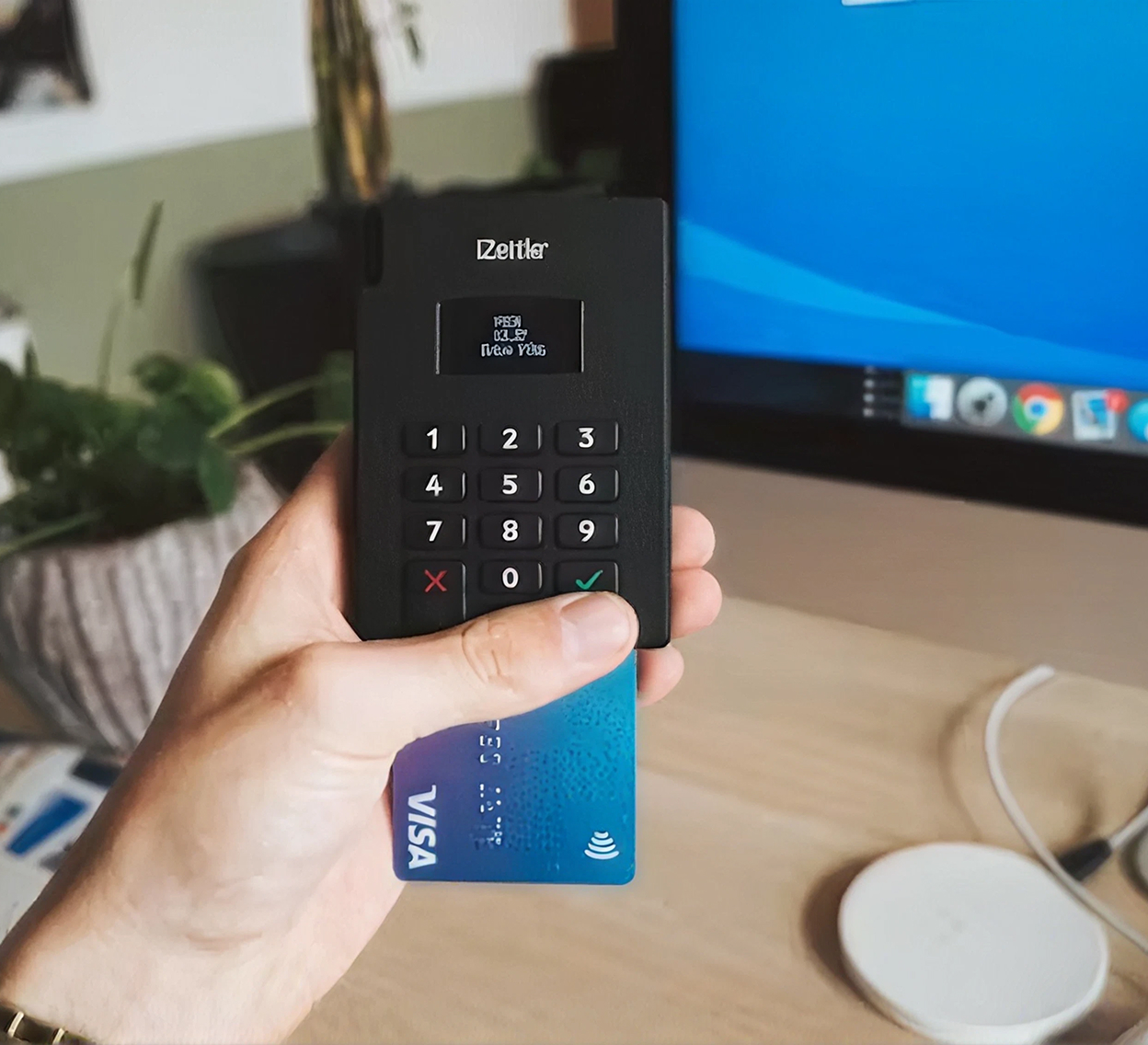
If the majority of your turnover comes through a card machine - whether that's a cafe till, a salon booking system, or a shop's card reader - a merchant cash advance is usually the most straightforward route.
The amount on offer is generally linked to your average monthly card sales, and repayments are taken automatically as a small slice of each day's card takings. There's no fixed monthly amount to find, which suits a genuinely seasonal business. Most providers will also consider a top-up once a good portion of the existing advance has been repaid.

A closer look at your options
Business cash advance
If card payments are only part of the picture, a business cash advance widens the assessment to your overall bank account turnover rather than card sales alone. It works in a similar way - an upfront sum repaid through regular deductions - but repayment is usually a fixed amount linked to your bank statements rather than a live percentage of card terminal activity.
This suits service businesses, trade businesses, and online sellers who take payment in lots of different ways, not just by card.
Understanding the cost
How cash advances are priced
Cash advances are priced differently to a typical loan. Instead of an interest rate, providers usually quote a factor rate - a fixed multiple applied to the amount you borrow that sets the total you'll repay from day one.
It's worth comparing that total repayment figure between brokers rather than just the headline amount on offer. Cash advances are often a more expensive way to borrow than a secured loan or asset finance, and paying the facility off early doesn't usually reduce the total cost the way it would with a standard loan.

The SMEMoney process
Getting your business funded doesn't have to be hard.
Work Out What You Could Raise
Use our free calculator to get a feel for the numbers based on your card sales.

From the SMEmoney family
Need help growing the business behind the funding?
The Fractions is our sister digital marketing and web development agency, working with founder-led SMEs turning over roughly £1m-£15m on paid advertising, customer journey optimisation, and technical growth strategies - with a particular focus on automotive and financial services.
FAQs
Frequently asked questions
Neither. We simply refer your details to a suitable broker from our panel, based on your requirements, who handles the formal advice and application process.
This depends on your card sales, but amounts typically range from around £5,000 up to £500,000, occasionally higher for larger, well-established businesses.
Repayments are usually collected automatically as a percentage of your daily or weekly card sales, so what you repay moves with how much you take through the till.
No. Merchant and business cash advances are unsecured against property or equipment, though a personal guarantee may still be required depending on the lender.
Most advances run for somewhere between three and eighteen months, depending on your sales volume and how the agreement is structured.
It plays a part, but providers focus more heavily on your recent card sales or bank turnover than on a traditional credit score, which is why businesses with a less than perfect credit history are often still eligible.
Most providers ask for a minimum of six months trading history, though some want closer to twelve months of consistent card sales.
Because repayments are usually a percentage of sales rather than a fixed amount, a quiet month should mean a smaller repayment rather than a missed one, though it's worth checking exactly how this works with your matched broker, as structures vary by lender.
Not usually. Most cash advances are priced as a fixed total repayment from the outset, so settling early doesn't typically reduce the overall cost the way it would with a standard loan.
It's most common among cafes, restaurants, bars, salons, and retail shops - broadly any business that takes a steady volume of card payments - though a business cash advance can widen that to most types of trading business.
Many providers will consider an additional advance once a set portion, often around 60%, of the existing one has been repaid.
A business loan usually has a fixed monthly repayment and a set term, while a cash advance moves with your sales. If your card or bank turnover is irregular that flexibility can be useful, though it's worth asking your broker to compare the total cost against an unsecured loan before deciding.