
Equipment finance
for UK SMEs
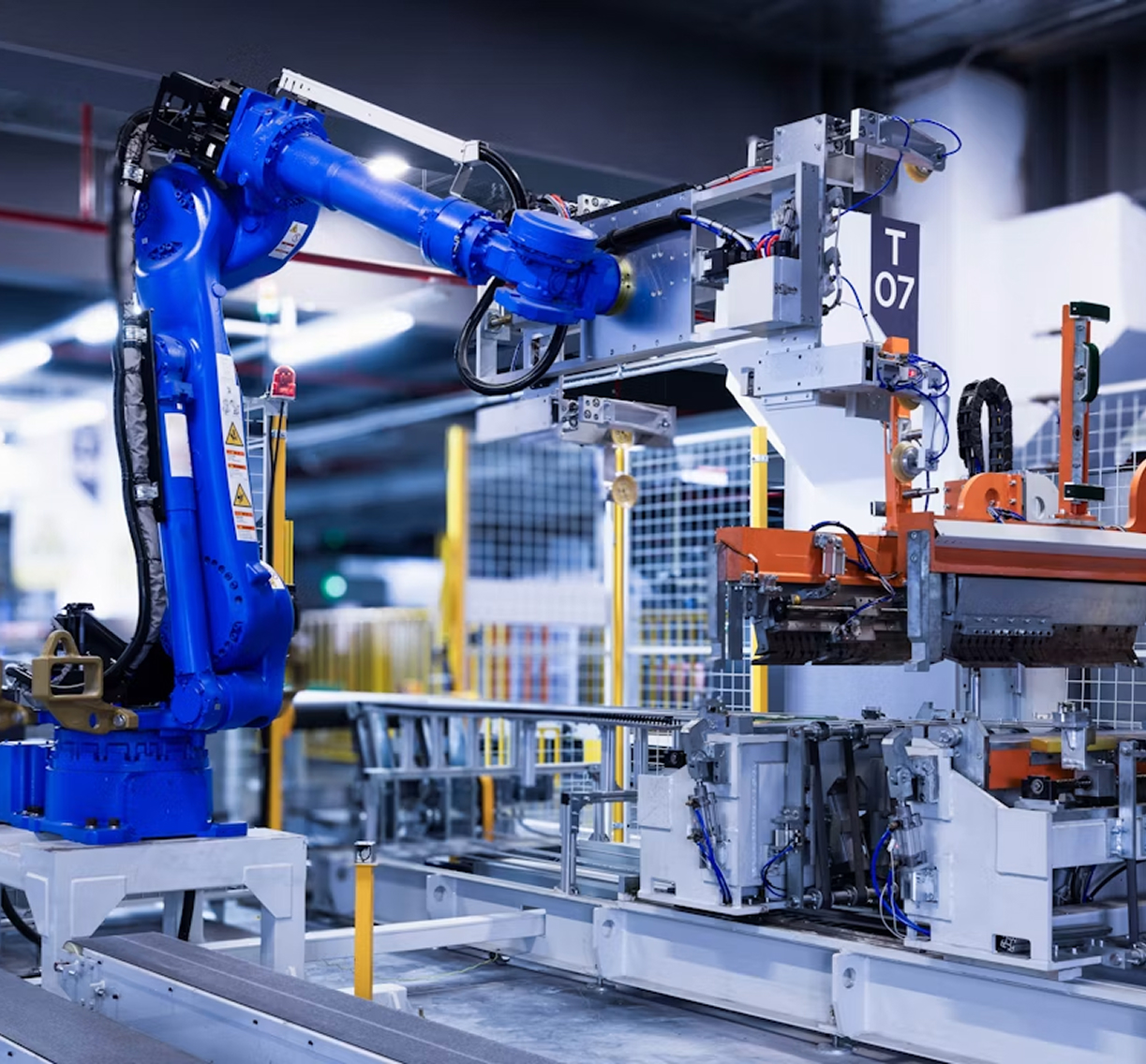
Worn-out machinery or an outdated production line can hold a business back just as much as a lack of orders. Equipment finance lets you bring in the plant, machinery, or fit-out your business needs now - and pay for it monthly.


At SMEmoney.co.uk, we do things differently
Access to over 70 specialist UK lenders
We are not a lender or a broker. We simply refer your details to expert broker partners, based on your requirements, who between them have access to over 70 specialist UK lenders.
For equipment finance specifically, that matters because deposit levels, funding limits, and appetite for older or bespoke kit vary a lot from one lender to the next - so having more than one option on the table works in your favour.
Why use equipment finance?
Why use equipment finance?
Equipment finance exists because most businesses don't have - or don't want to tie up - the cash to buy machinery and kit outright. Because the equipment itself usually acts as security, lenders are often more comfortable lending against it than against a business with no assets.
Equipment finance allows you to:
- Preserve Working Capital: Keep cash in the business for stock, wages, and day-to-day running costs.
- Get Equipment Working Sooner: Bring in machinery or fit-out as soon as you need it, rather than waiting until you've saved the full cost.
- Spread the Cost Predictably: Fixed monthly payments make it easier to budget around the new equipment.
- Cover New or Used Kit: Fund brand new machinery or good quality used equipment, depending on what suits your budget.
Choosing the right finance for your equipment
Two main routes - it comes down to ownership
Equipment finance generally comes down to Hire Purchase or Finance Lease. The right one depends on whether you want to own the equipment outright once it's paid for, or you'd rather use it for a set period and hand it back or upgrade.
With Hire Purchase you pay a deposit - usually around 10%, though this varies by lender - then spread the rest over an agreed term, typically one to five years. Once the final payment is made, the equipment is yours. It suits machinery and plant you plan to keep and run for years.
With a Finance Lease you pay to use the equipment for an agreed period, often with a lower upfront cost than Hire Purchase. At the end of the term you can usually extend the lease, hand the equipment back, or sell it on the lender's behalf and keep a share of the proceeds. It suits equipment that dates quickly, such as IT systems, or kit you only need for a defined project.
If you already own equipment outright, refinancing it is also worth considering. A lender can release a percentage of its value as a lump sum, which you then repay over time while you keep using the equipment - a useful option if you bought equipment with cash or your overdraft and want to put some of that money back to work elsewhere in the business.
A closer look at your options
Hire purchase
If you intend to keep a piece of equipment for the long haul, Hire Purchase is usually the better fit. You make a deposit - typically around 10%, though this varies by lender - then pay the balance over a term agreed with the lender, often matched to how long the equipment is expected to stay useful.
Funding is commonly available for both new and used equipment, and many lenders will fund a high percentage of the purchase price. Once the final instalment clears, the asset is yours outright, free of any further obligation to the lender.
A closer look at your options
Finance lease
A finance lease suits equipment you want to use without committing to ownership - particularly kit that becomes outdated quickly or is only needed for a fixed period. Monthly rentals are usually treated as a business cost rather than a capital purchase, and the lender remains the owner throughout.
When the agreement ends you have options: extend at a reduced rate, return the equipment, or sell it on and keep most of the proceeds.
A closer look at your options
Equipment refinance
If you already own machinery, vehicles, or other equipment outright, you can use it to release cash without giving it up. The lender advances a percentage of its current value, and you carry on using the equipment as normal while repaying the facility over an agreed term.
It's a practical way to fund a new project, cover a tax bill, or smooth out a quiet period - using value you've already paid for.
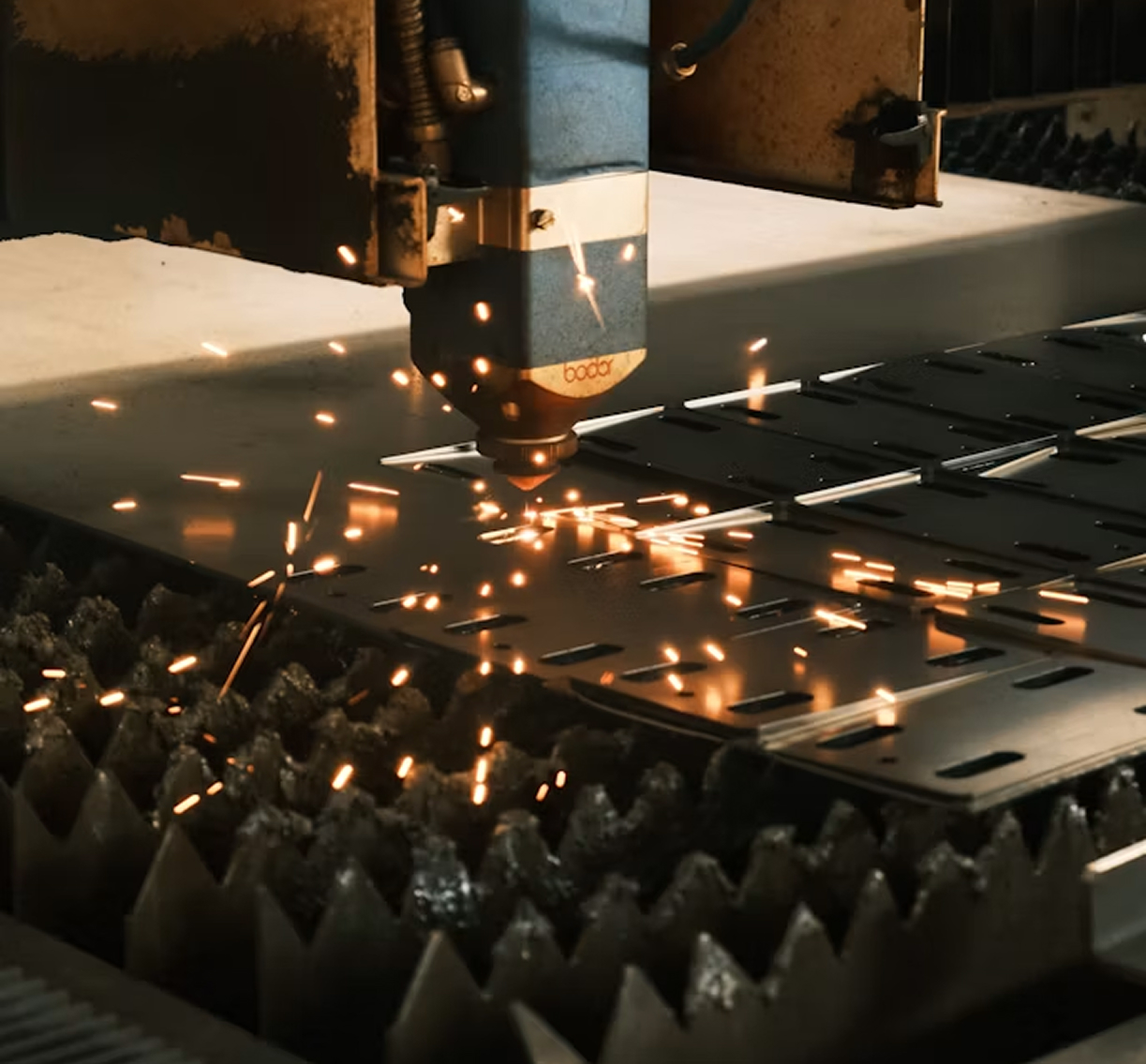
Equipment we help fund
Equipment finance covers far more than heavy machinery
Brokers on our panel regularly arrange funding for a wide range of industries and equipment types:
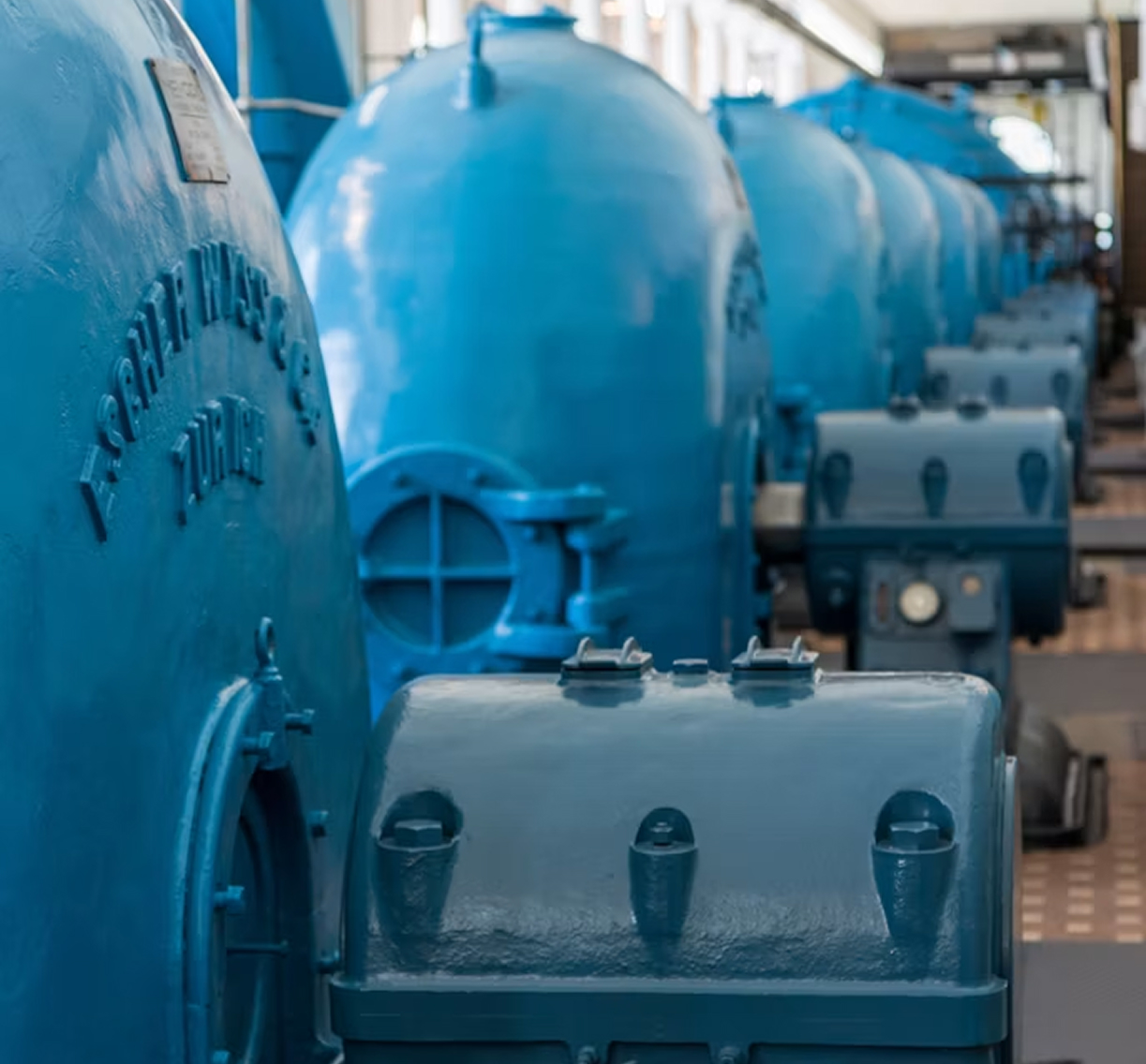
- Standard and bespoke plant and machinery
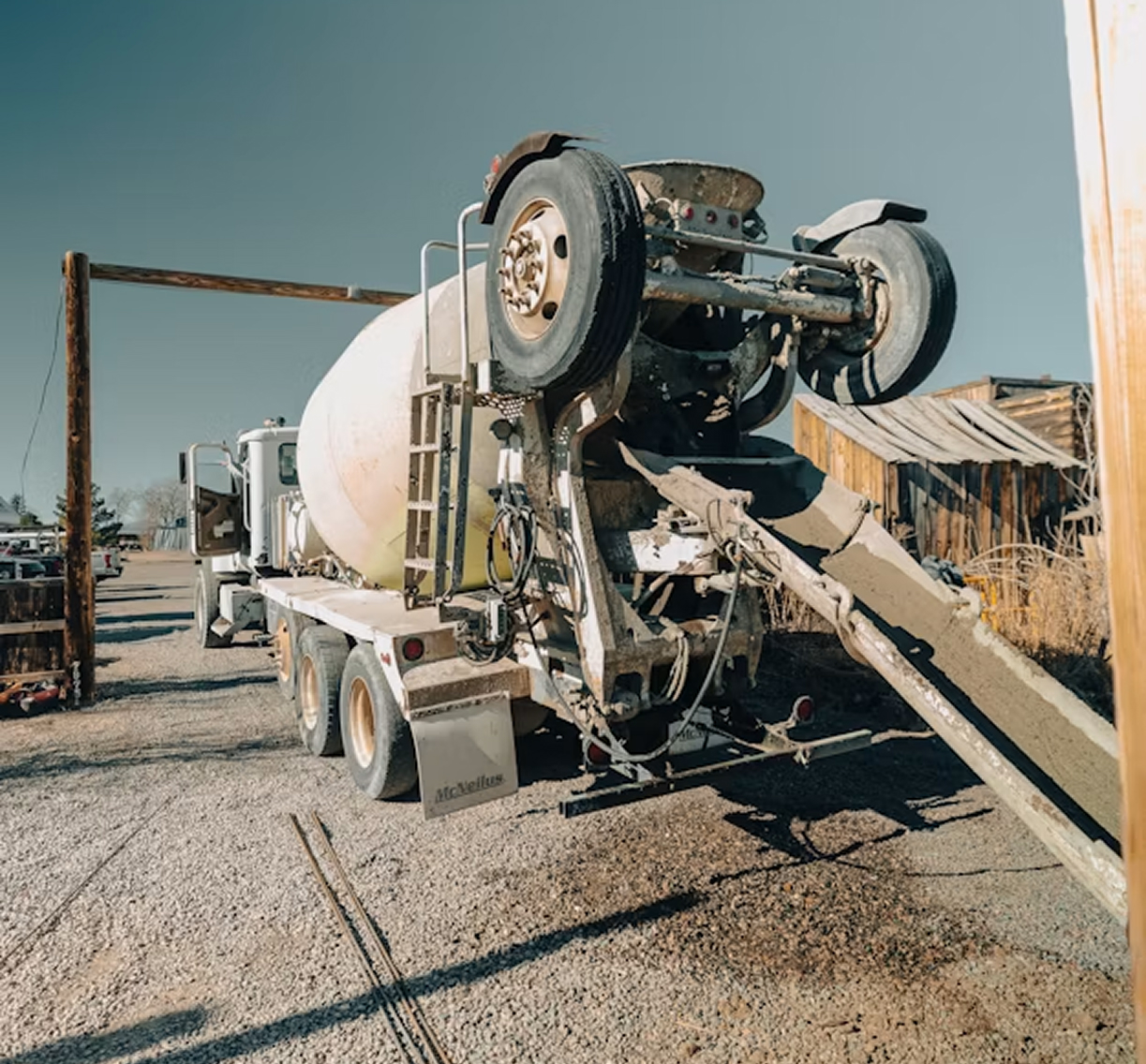
- Construction and plant hire equipment
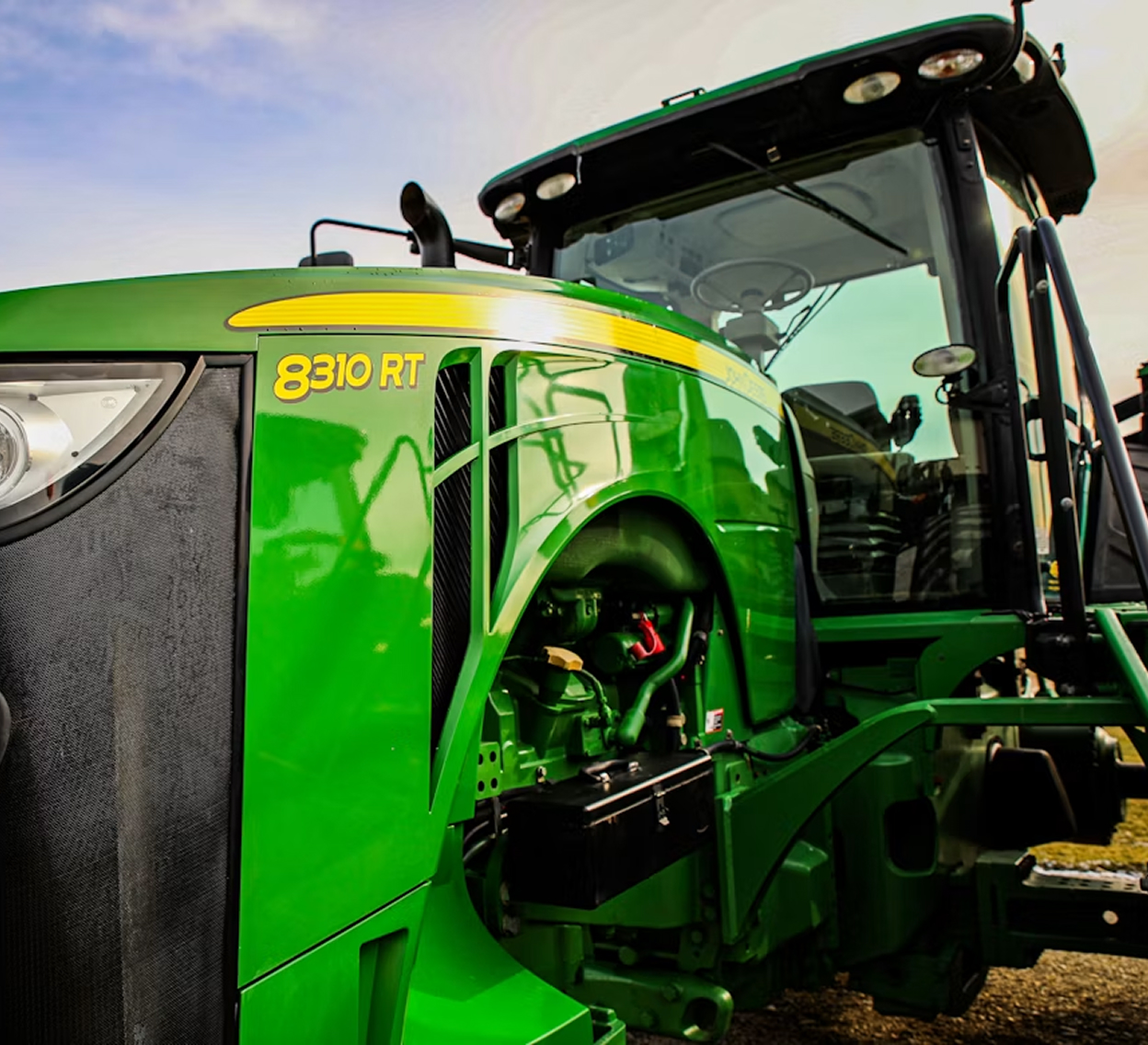
- Agricultural equipment
- Food and drink manufacturing equipment
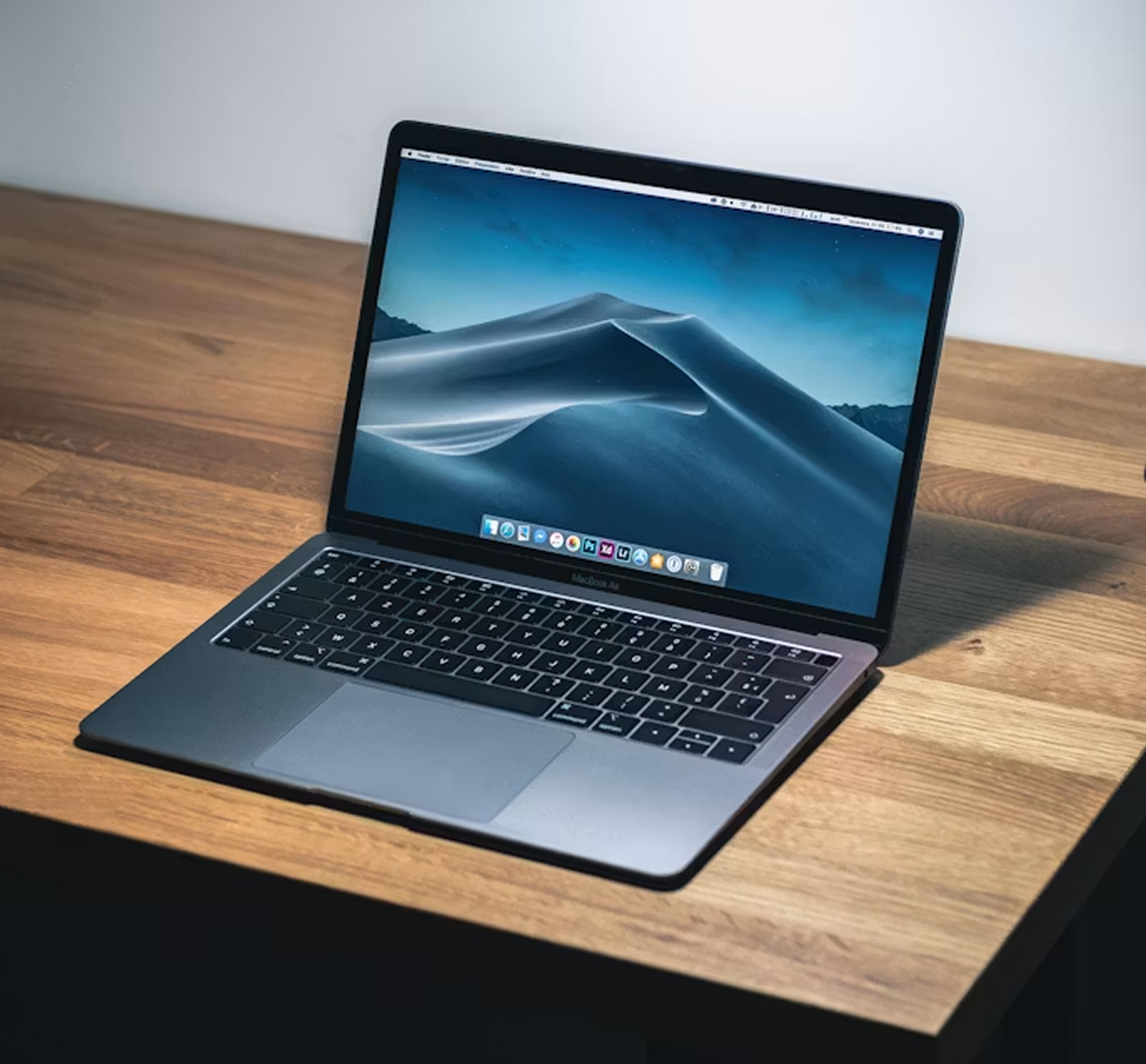
- Office and IT equipment
- Retail, hospitality, and salon fit-out, including fixtures, fittings, and kitchen equipment
Tax efficiency
Tax efficiency for equipment purchases
As of 2026, buying new equipment through Hire Purchase can still come with meaningful tax relief.
- Annual Investment Allowance (AIA): Most SMEs can claim the AIA on qualifying plant and machinery up to a £1 million cap.
- Full Expensing: Companies buying new, unused equipment may be able to claim a 100% first-year deduction with no upper limit on the amount invested.
- Finance Lease: Rentals are usually treated as a deductible business expense rather than a capital purchase.
The SMEMoney process
Getting your business funded doesn't have to be hard.
Work Out Your Budget
Use our free calculators to see what your monthly repayments might look like.

From the SMEmoney family
Need help growing the business behind the funding?
The Fractions is our sister digital marketing and web development agency, working with founder-led SMEs turning over roughly £1m-£15m on paid advertising, customer journey optimisation, and technical growth strategies - with a particular focus on automotive and financial services.
FAQs
Frequently asked questions
Neither. We simply refer your details to a suitable broker from our panel, based on your requirements, who handles the formal advice and application process.
Most physical assets used to run your business, including plant and machinery, construction and agricultural equipment, office and IT kit, and retail or hospitality fit-out.
Yes. Many of the 70+ lenders our brokers access will fund good quality used machinery and equipment, though terms and maximum funding levels can be tighter than for new kit.
For Hire Purchase, a deposit of around 10% is common, though some lenders are more flexible. Finance Lease often needs little more than the first monthly rental.
You can usually extend the lease at a reduced rate, return the equipment, or sell it on behalf of the lender and keep a share of the proceeds.
You do. Whether you choose Hire Purchase or a Finance Lease, you're responsible for keeping the equipment maintained, insured, and in good working order throughout the agreement.
Often, yes. Specialist lenders on our panel work with bespoke plant and machinery, though valuation and approval can take a little longer than for standard kit.
No. Our broker partners work with limited companies, sole traders, and partnerships.
Straightforward applications for standard equipment can sometimes be approved within 24 to 48 hours. Bespoke or higher value equipment may take longer due to valuation checks.
Yes. Equipment refinance lets you release a percentage of the value of equipment you've already paid for, while you continue using it.
It often is, particularly for newer businesses or unsecured elements of a deal. Your matched broker will confirm what's needed for your specific application.
The equipment is usually held as security for the agreement, so missed payments can put it at risk of repossession. Speak to your lender as early as possible if you're struggling, as most lenders would rather agree a revised plan than repossess equipment.