
Commercial vehicle
finance
Buying vehicles in cash ties up capital your limited company could be using elsewhere. Hire Purchase lets you spread the cost while the vehicle is already earning for the business.


At SMEmoney.co.uk, we do things differently
Hire purchase for all types of business vehicle
We are not a lender or a broker. We simply refer your details to expert broker partners, based on your requirements, who between them have access to over 70 specialist UK lenders.
For commercial vehicles specifically, that range matters - the lender willing to fund a standard panel van isn't always the one best placed to fund a coach fleet or articulated lorry, so having more than one option in the panel works in your favour. This page focuses on funding for limited companies.
Why use vehicle hire purchase?
Why use vehicle hire purchase?
Hire Purchase exists because most limited companies would rather use their cash to run the business than tie it up in a vehicle that depreciates from the moment it leaves the forecourt.
Vehicle Hire Purchase allows you to:
- Preserve Working Capital: Keep cash in the business for fuel, wages, and contracts, rather than locking it into a vehicle purchase.
- Match Payments to Vehicle Use: Spread the cost over fixed monthly payments while the vehicle is already generating income.
- Claim Capital Allowances: Add the vehicle to the company's balance sheet and claim available capital allowances against it.
- Fund Standard and Specialist Vehicles Alike: Get the same structure whether you're financing a single van or a fleet of HGVs, coaches, or converted emergency vehicles.
Pros and cons
Pros and cons of vehicle hire purchase
Like any finance product, there are trade-offs. Here is an honest look at what works in your favour and what to consider.
| Aspect | Pros | Cons |
|---|---|---|
| Speed | Standard vans and trucks can often get an indicative decision within a day or two, with funds reaching the dealer quickly. | Specialist or converted vehicles usually take longer to underwrite, as the lender must value the vehicle and conversion separately. |
| Deposit | Many lenders will fund a vehicle with a deposit roughly equivalent to the VAT, keeping working capital in the business. | Higher-value or specialist vehicles, such as HGVs or converted minibuses, often require a larger deposit. |
| Ownership | The vehicle becomes a company asset once the final payment clears, which suits businesses that want to keep or sell it for residual value. | Committing to ownership means carrying the vehicle on your books for the whole term; swapping mid-term means settling the agreement first. |
| Cost of Funds | Vehicle finance is generally one of the more competitively priced forms of asset finance, since vehicles are solid security. | Rates depend heavily on the company's trading history and credit profile. A newer limited company will usually be quoted a higher rate. |
| Eligibility | Because the vehicle secures the lending, acceptance rates tend to be higher than for unsecured lending, even for newer companies. | Many lenders reserve their best rates for companies trading two years or more with a clean credit record. Newer companies may still be approved but on less favourable terms. |
Vehicles we help fund
Vehicle hire purchase covers far more than standard vans
Brokers on our panel arrange funding for limited companies across a wide range of vehicle types, including:
- Light commercial vehicles, including vans, Lutons, curtainsiders, and last-mile delivery fleets
- HGVs, rigid lorries, articulated trucks, and refrigerated trailers
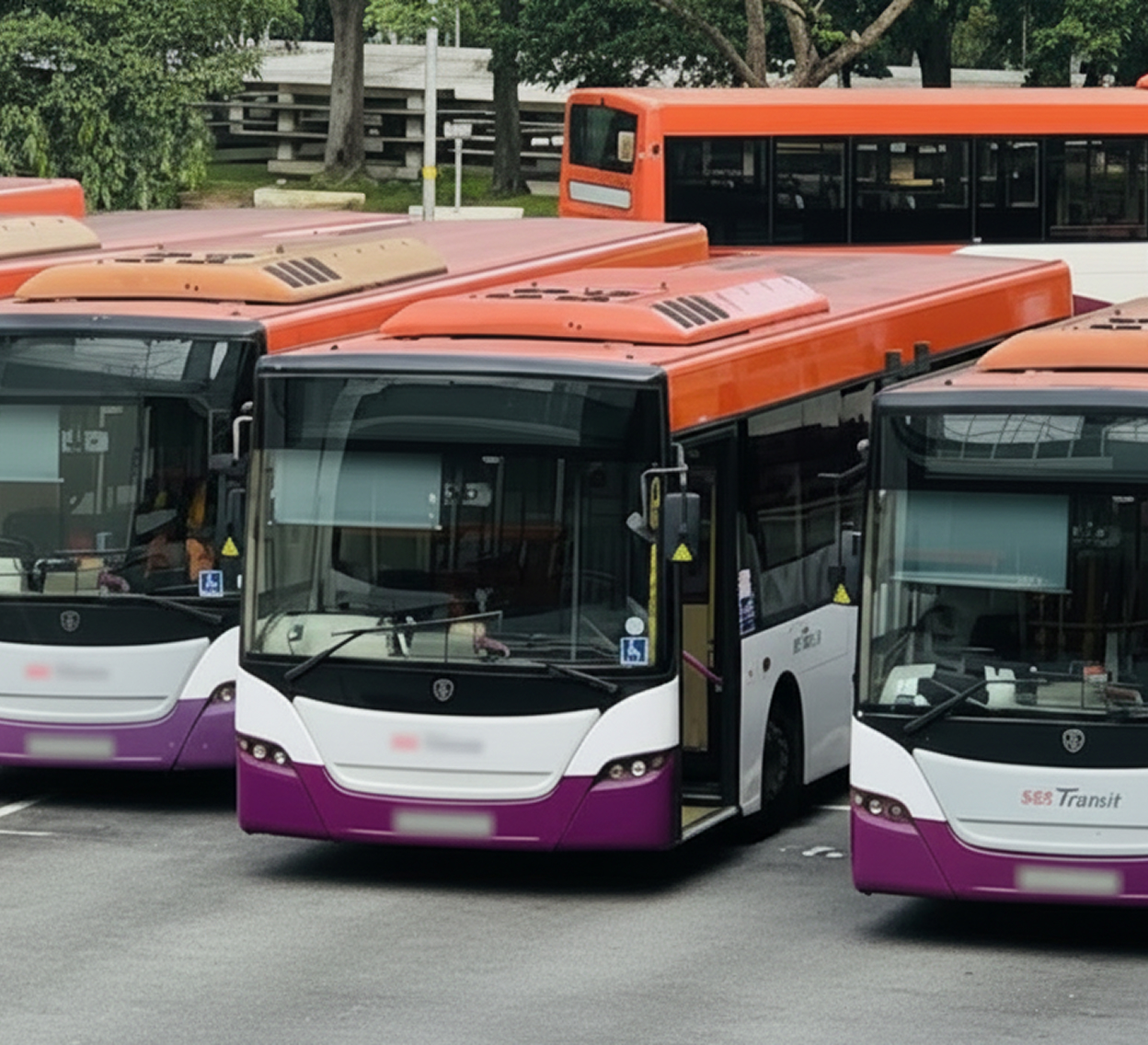
- Buses, minibuses, and coaches, from school-run minibuses to full-size touring coaches
- Recovery and logistics vehicles, including slide-bed trucks and car transporters
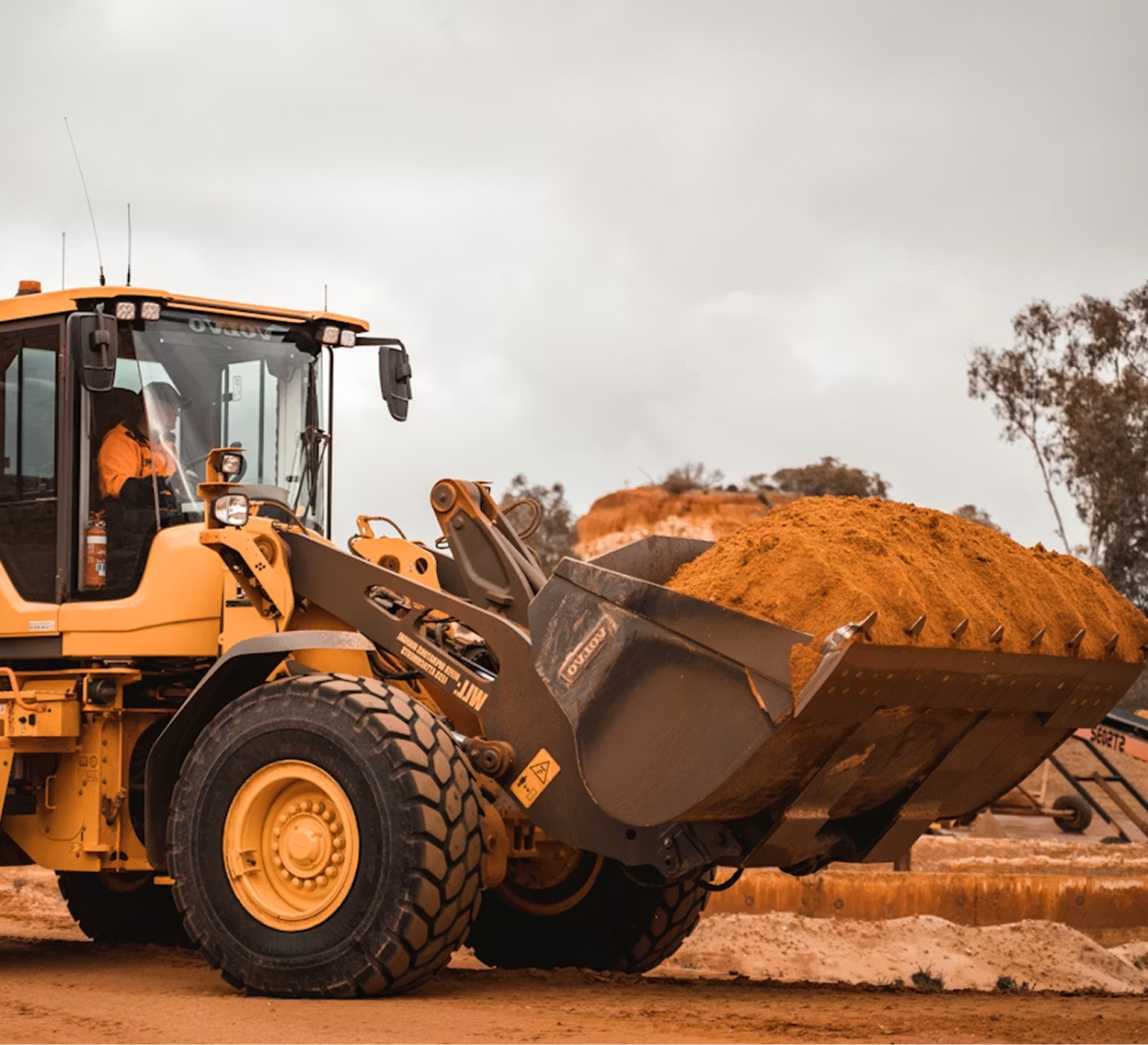
- Plant and construction vehicles, such as excavators, tipper trucks, and concrete mixers
- Agricultural machinery, including tractors, combines, and trailers
- Specialist and emergency vehicles, including ambulances, fire engines, and converted welfare vehicles
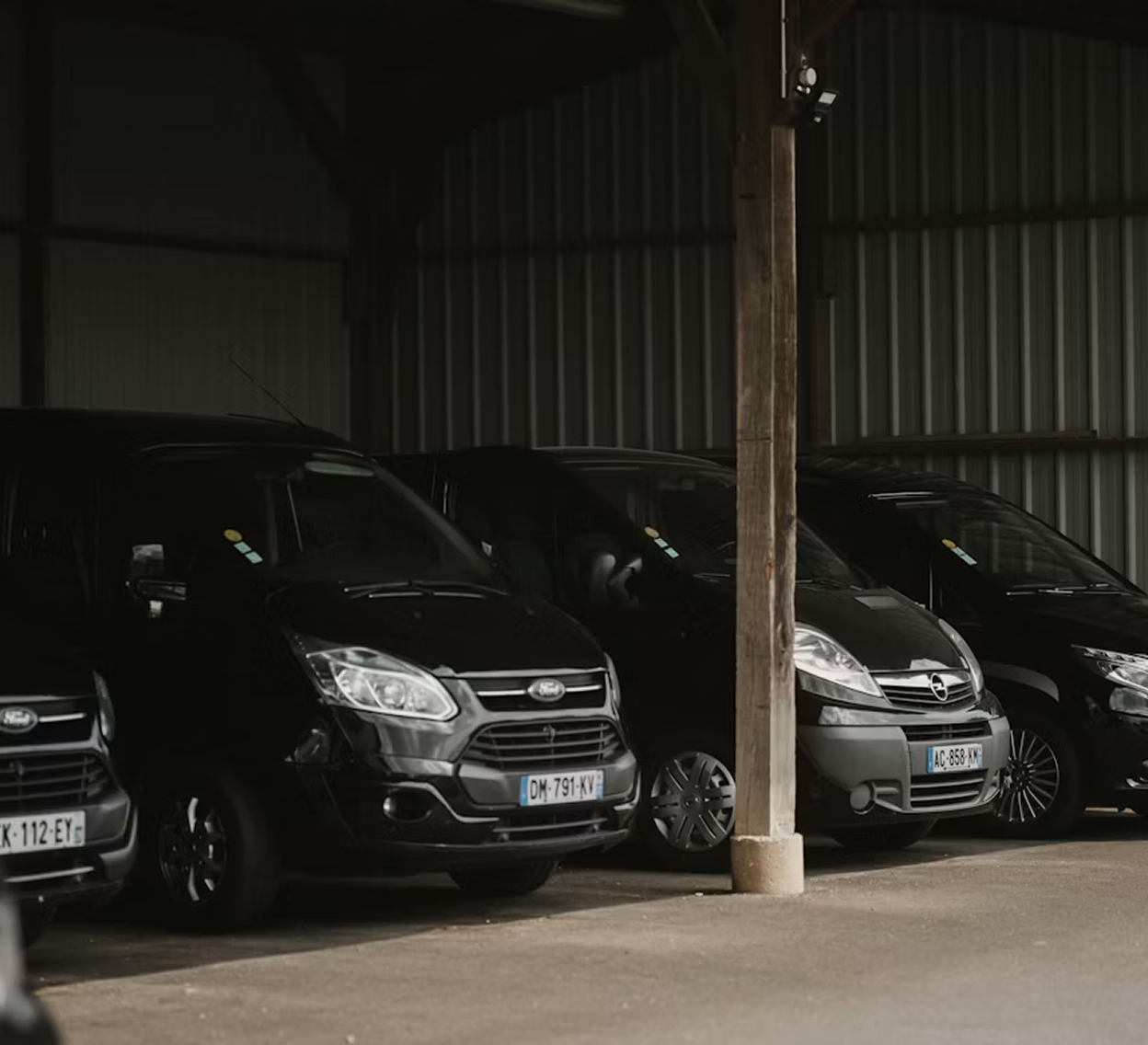
- Executive and chauffeur vehicles, including luxury saloons and high-specification minibus conversions
A closer look at what we fund
Vans, lorries, and logistics fleets
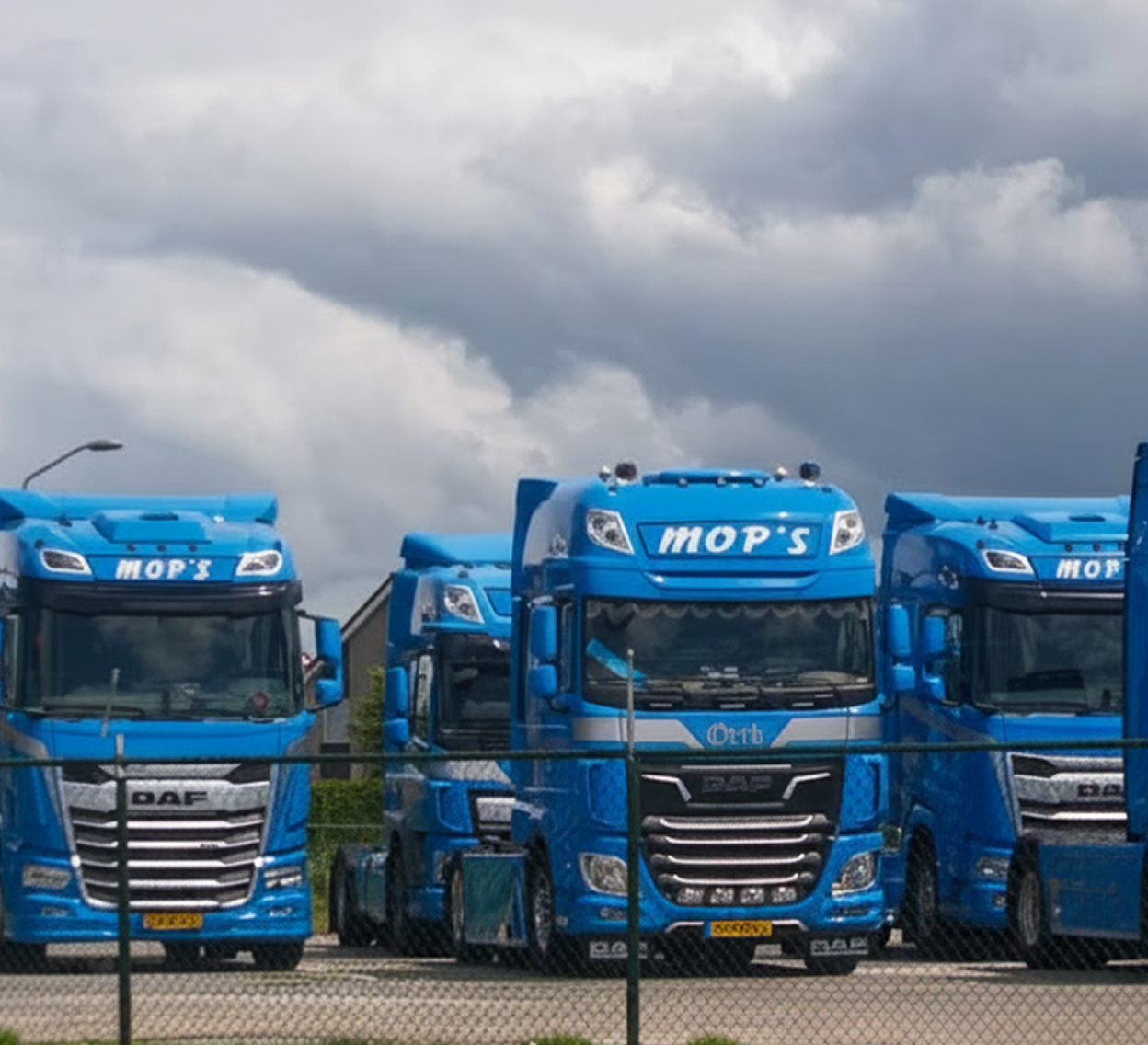
For businesses moving goods - from a single courier van to a full distribution fleet - Hire Purchase is usually the natural fit, since these vehicles have a well-established resale market that lenders understand well. Funding stretches from light commercial vans through to 44-tonne articulated lorries and refrigerated trailers. Terms are often longer for heavier vehicles, sometimes running to seven years.

A closer look at what we fund
Buses, coaches, and passenger transport
Operators running minibuses, coaches, or executive transport fleets can fund vehicles ranging from a ten-seat minibus to a full-size touring coach or a fleet of luxury saloons for chauffeur work.
Because passenger vehicles are often refreshed more regularly than goods vehicles, some companies use Hire Purchase on a rolling basis - financing the next vehicle as an older one nears the end of its term, sometimes using equity released from an existing, debt-free vehicle to help fund the deposit.
A closer look at what we fund
Plant, agricultural, and specialist vehicles
Construction plant, farm machinery, and specialist vehicles like ambulances or fire engines tend to carry a higher price tag and a more bespoke specification than a standard van, so lenders typically look more closely at the vehicle and its intended use before quoting.
Agricultural businesses in particular can sometimes arrange repayments that flex with the season - lower over winter and higher after harvest - which helps cash flow in a sector where income is tied closely to the time of year.

Tax efficiency
Capital allowances on commercial vehicles
As of 2026, buying a vehicle through Hire Purchase can still bring meaningful tax relief for a limited company.
- Annual Investment Allowance (AIA): Most SMEs can claim the AIA on qualifying commercial vehicles up to a £1 million cap.
- Full Expensing: Companies buying new, unused vehicles - including many electric and low-emission models - may be able to claim a 100% first-year deduction with no upper limit on the amount invested.
The SMEMoney process
Getting your business funded doesn't have to be hard.
Work Out Your Budget
Use our free calculator to see what your monthly repayments might look like.

From the SMEmoney family
Already found a vehicle? Check the deal first.
Paste a link to any vehicle listing - from Autotrader or a dealer's own site - and Prefinance will compare your finance options with their panel of specialist brokers and show how much you could save making the process quick and easy.

From the SMEmoney family
Need help growing the business behind the funding?
The Fractions is our sister digital marketing and web development agency, working with founder-led SMEs turning over roughly £1m-£15m on paid advertising, customer journey optimisation, and technical growth strategies - with a particular focus on automotive and financial services.
FAQs
Frequently asked questions
Neither. We simply refer your details to a suitable broker from our panel, based on your requirements, who handles the formal advice and application process.
This page focuses on limited companies, since lender criteria, deposit expectations, and rates often differ for sole traders. If you trade as a sole trader, our brokers can still help, just via a slightly different route.
A deposit roughly equivalent to the vehicle's VAT is common, though specialist or higher-value vehicles, and companies with a thinner balance sheet, may be asked for more.
Many lenders look for at least two years of trading history for their most competitive rates, though newer companies are often still eligible, usually at a higher rate or with additional conditions.
Yes. Lenders typically look at the company's net worth alongside its trading history and credit record when setting terms, and a stronger balance sheet generally leads to better rates.
Most lenders will fund used vehicles as well as new ones, though there's usually a maximum age the vehicle can reach by the end of the agreement, often around eight years old.
Most commercial vehicles qualify, including vans, HGVs, buses and coaches, recovery trucks, plant and agricultural machinery, and specialist conversions such as ambulances or horseboxes.
Terms commonly run from one to seven years, with heavier or longer-life vehicles, such as HGVs or coaches, often able to stretch toward the longer end.
The vehicle becomes the company's outright property, free of any further obligation to the lender.
Yes. If your company owns a vehicle outright, refinancing it can release a percentage of its value as a lump sum, while you carry on using the vehicle as normal.
Not necessarily, though it will usually mean a smaller panel of lenders and a higher rate. Specialist lenders on our panel work with companies that have a less than perfect credit history.
It often is, particularly for newer companies or larger borrowing amounts. Your matched broker will confirm what's needed for your specific application.