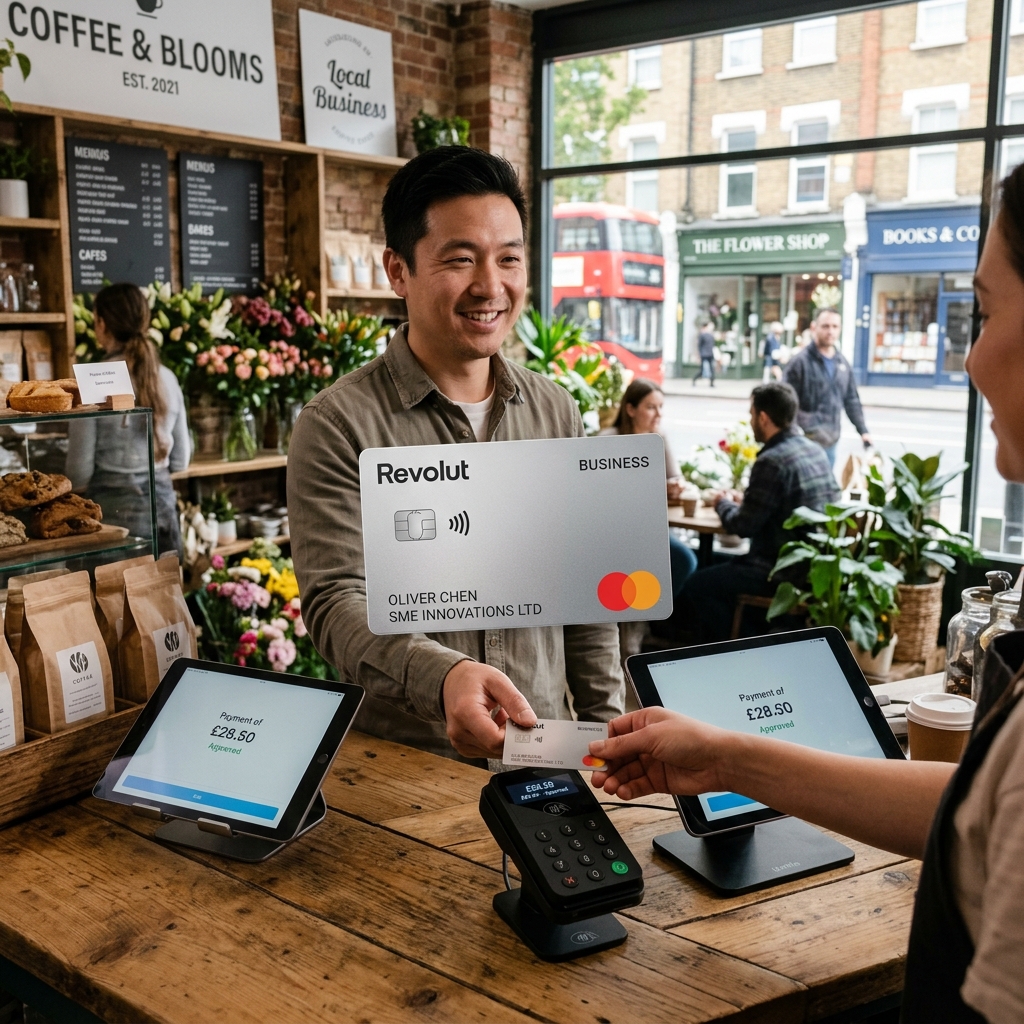
Managing day-to-day cash flow is a constant task for any UK business owner. Whether you need to cover upfront stock costs, pay for software, or cover travel expenses, a business credit card offers a flexible credit line. However, while it provides speed and flexibility, it is not always the cheapest or best option for every situation. In this guide, we look at the main pros and cons of business credit cards, how they affect your personal risk and taxes, and the practical steps to apply for one.
The Pros and Cons of Business Credit Cards
A business credit card works in much the same way as a personal credit card, but the account is held in the name of your company or sole trader business. It gives you a running credit limit that you can draw from, pay off, and reuse as needed.
The Advantages
Better cash flow management: Most providers give you up to 56 days of interest-free credit on purchases if you pay the full balance on time each month. This helps bridge short gaps between paying suppliers and receiving payment from clients.
Clear separation of expenses: Mixing company expenses with personal spending causes real admin headaches. A dedicated card keeps your business spending in one place.
Building a commercial credit profile: Paying off your card balance on time every month helps build your company credit score. A strong history makes it easier to get approval for larger forms of commercial funding later. This is a big driver.
Perks and expense controls: Many business cards come with rewards like cashback, air miles, or discounts on business software. You can also give card access to key staff while setting individual spending limits to control costs.
The Disadvantages
High interest rates: Carrying a balance month-to-month gets expensive fast. The annual percentage rate (APR) on credit cards is usually much higher than on fixed business loans. If you don;'t pay it off in full, you could end up paying a lot of interest.
Personal guarantees: Card providers often require directors to sign a personal guarantee. If your business runs into financial trouble and cannot pay, you become personally liable for the debt.
Extra fees and charges: Card fees, cash withdrawal costs, late payment penalties, and foreign currency charges can quickly cancel out any rewards earned.
Lower borrowing limits: Credit limits on business cards are often relatively low compared to commercial loans, making them unsuitable for major capital purchases, but they can ride with use.
Comparing Business Credit Cards with Other Finance Options
To decide if a card is right for your goals, it helps to see how it fits alongside other common forms of business finance.
Funding Type | Best For | Repayment Terms | Typical Approval Time |
|---|---|---|---|
Business Credit Card | Small, ongoing expenses and travel costs. | Flexible monthly payments (minimum or full balance) | 1hr to 2 working days |
Unsecured Business Loan | Fixed projects, renovations, or stock purchases, larger one-off investments | Fixed monthly instalments over 1 to 5 years | 1 to 2 working days |
Businesses taking regular card payments from customers | Repayments tied directly to daily card sales percentage | 24 to 48 hours |
Tax Implications and Director Liability
Using a card for business spending brings distinct tax and legal responsibilities. Bank fees, annual card charges, and interest payments on a business credit card are generally recognised as allowable business expenses. This means you can offset these costs against your profits to lower your Corporation Tax bill.
However, personal purchases made on a business card are strictly non-deductible and create accounting problems. You should always speak to a qualified accountant to ensure you handle card interest and fees correctly on your tax filings.
When it comes to credit risk, providers check both company records and personal credit histories. If your firm is young or has limited trading history, lenders rely heavily on the personal credit rating of the directors. A missed card payment can drop your business credit score and, where a personal guarantee is involved, impact your individual credit rating as well.
How to Apply for a UK Business Credit Card
Applying for a business card is straight forward if you have your company records prepared. Providers want to verify your business identity, your trading volume, and your ability to manage debt responsibly.
Step-by-Step Application Guide
Check your credit reports: Review both your business and personal credit files to fix any errors before you submit an application.
Compare interest rates and fees: Look at the standard purchase APR, late charges, annual fees, and foreign transaction costs - not just the headline sign-up rewards.
Use a soft-search eligibility checker: Where available, use soft-check tools that tell you your odds of approval without leaving a mark on your credit file.
Prepare your documents: Gather your business registration details, tax records, and recent bank statements.
Submit the application online: Complete the provider forms accurately. Most decisions are made within a few days, with cards arriving shortly after.
Document / Information | Limited Companies | Sole Traders |
|---|---|---|
Business Identification | Companies House registration number and registered address | National Insurance number and official proof of trading address |
Financial Records | Annual turnover figures and recent company bank statements | Annual income figures or Self Assessment tax returns |
Director / Owner ID | Personal photo ID and proof of address for key directors | Personal photo ID and 3 years of residential address history |
Trading Profile | Details on nature of business and length of trading | Details on industry sector and start date |
Finding the Right Business Funding
A business credit card is an excellent tool for managing monthly working capital, recurring online subscriptions, and staff expenses. However, relying on cards for heavy long-term borrowing can end up costing far more than necessary in interest payments.
If your company needs larger amounts of capital or fixed repayment schedules, exploring the wider lending market makes sense. At SME Money, we help UK business owners connect with specialist brokers who search over 70 lenders to find the right funding for your needs - without the bias of a single bank.