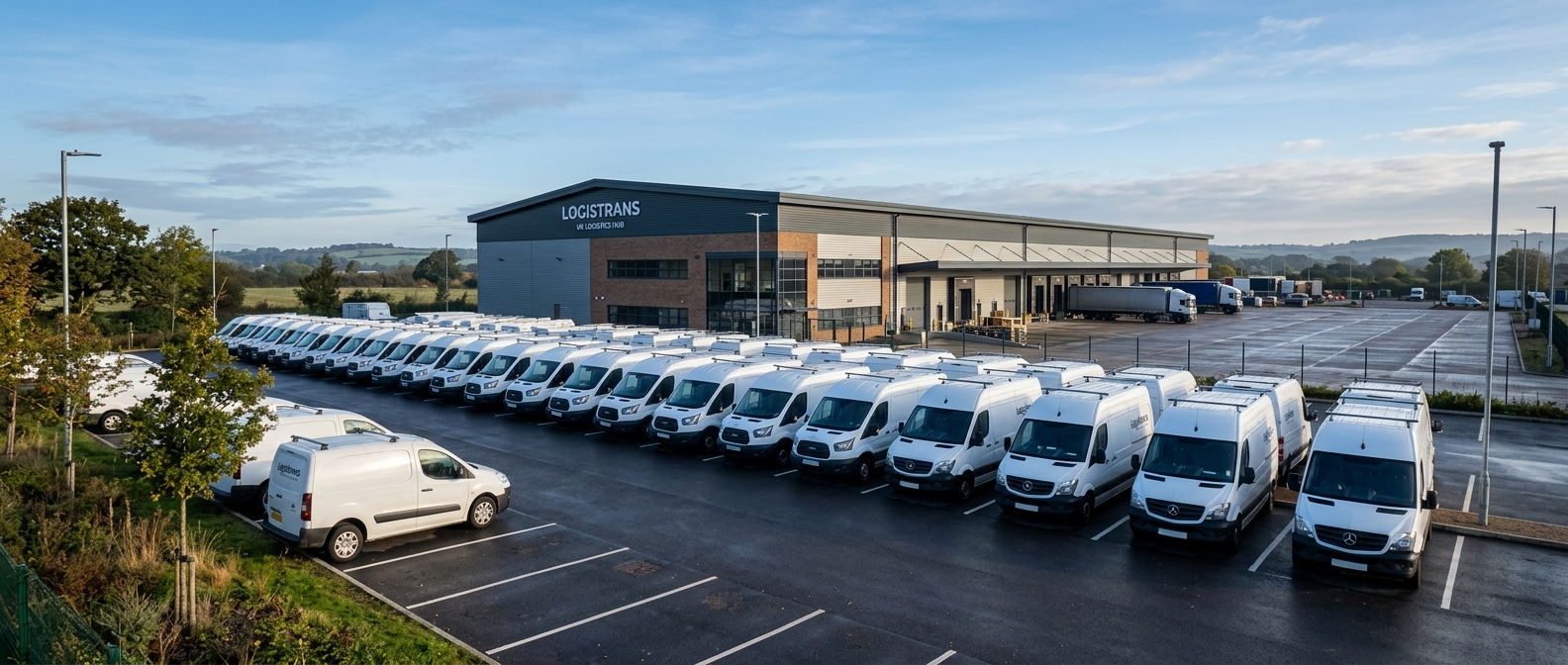
Business Van Finance for UK Companies
If you run a business in the UK, your vans are likely the backbone of your daily work. Whether you operate a single commercial vehicle or manage a small fleet, buying vans outright can put a strain on your working capital. Taking tens of thousands of pounds out of your business cash reserves reduces your ability to buy stock, pay staff, or handle unexpected bills. Business van finance gives you a practical way to spread the cost over two to five years, so you keep cash in the business while driving reliable vehicles that can make you money
.At SME Money, we help UK business owners find the right funding by connecting them with specialist brokers who search over 70 lenders without the bias of a single bank.
Types of Business Van Finance
Not all van finance agreements work the same way. The right option for your company depends on whether you want to own the van at the end of the term, how you handle VAT, and how many miles your team drives each year.
Hire Purchase (HP)
Hire Purchase is a simple option if you want to own the vehicle at the end of the agreement. You usually pay a deposit up front, which commonly covers the full VAT amount plus a portion of the van price. You then make fixed monthly payments over an agreed term, typically between 24 and 60 months. Once you pay the final instalment and a small option-to-purchase fee, ownership transfers to your business. HP works best if you plan to keep the vehicle long term and run high mileage without penalty fears.
Contract Hire
Contract Hire is a long-term rental arrangement. You pay an initial rental fee followed by regular monthly payments for a set period. At the end of the contract, you return the van to the funder. You do not own the vehicle, and you must stay within pre-agreed annual mileage limits. This option keeps monthly costs predictable and removes the risk of vehicle depreciation. But if you exceed these limits or return the van with damage beyond standard wear and tear, you could face heft extra fees. And with a commercial vehicle in daily use, that's pretty likely.
Finance Lease
A Finance Lease offers flexibility without forcing you to buy the van outright. You hire the van for a fixed period, with monthly payments calculated against the estimated value of the vehicle over time. You can choose to pay lower monthly fees by scheduling a larger final payment, known as a balloon payment, at the end of the agreement. When the term ends, you sell the van to a third party on behalf of the lender. If the sale price exceeds the balloon payment, your business keeps most of the surplus. If it sells for less, your business pays the difference.
Finance Option | Ownership at End | VAT Payment Structure | Mileage Limits |
|---|---|---|---|
Hire Purchase | Yes (after final payment) | Paid upfront in full | No limits |
Contract Hire | No (returned to lender) | Paid monthly on rentals | Strict annual limits apply |
Finance Lease | No (sold to third party) | Paid monthly on rentals | Flexible limits |
Tax Benefits, VAT, and Financial Rules
Funding a commercial vehicle comes with specific tax and accounting rules that affect your business cash flow.
VAT Treatment
How VAT is treated depends on the type of agreement you choose. With Hire Purchase, you usually pay the total VAT on the full purchase price upfront. If your business is VAT-registered, you can reclaim this tax on your next VAT return. With Contract Hire and Finance Lease agreements, VAT is added to each monthly rental payment instead, which spreads your tax commitment evenly across the term.
Capital Allowances and Tax Deductions
Commercial vans generally qualify as plant and machinery for tax purposes. Under Hire Purchase, you can often claim capital allowances, such as the Annual Investment Allowance (AIA), enabling you to deduct the cost of the vehicle from your taxable profits in the year of purchase. For leased vans, monthly rental payments can usually be deducted as a legitimate business expense against your profits. Tax rules depend on your specific business structure and financial position, so always speak to a qualified accountant before entering a finance contract.
Wear, Tear, and Mileage Charges
Leasing companies expect vehicles returned in acceptable condition. If your vans operate on heavy construction sites or carry rough materials, risk of panel damage or excessive wear is high. Contracts carry fair wear and tear guidelines, and repair bills at the end of a lease can be costly. If your work involves tough conditions, Hire Purchase or a Finance Lease may be safer choices than Contract Hire.
What Lenders Look for When You Apply
Lenders assess risk, affordability, and business background before approving van finance. While established businesses with strong trading histories get access to lower rates, newer businesses can still secure funding with proper preparation.
Business Profile | Key Lender Requirements | Typical Supporting Documents |
|---|---|---|
Established Limited Company | Good credit profile, stable cash flow, minimum trading history (often 12-24 months). Lower rates for profitable businesses | Filed accounts, recent bank statements, director details, proof of ID |
Sole Trader / New Business | Personal credit check, proof of income, workable business plan. PG may be required. | Personal bank statements, tax returns (SA302), proof of ID |
Interest Rates and Credit Checks
Interest rates vary based on your business credit score, trading history, deposit size, and the age of the vehicle. Rates start from around 5% per annum, but will run higher for new businesses or loss-making firms. The only way to check for the best rates is to apply, as each lender has different criteria and different assets and business rules.
Checking your business credit profile before applying is good practice.
An initial soft search which will narrow down the lenders which are likely to accept your application. You'll get a free score in our web app that will show you how likely you are to be accepted, and by which lenders. Only then
will lenders perform hard credit checks on directors and the business entity.
Comparing Lenders vs Direct Banks
Applying directly through your high-street bank limits your options to a single set of lending criteria. Dealership finance may seem convenient, but markup fees can drive up overall costs. Working with a specialist broker opens access to a wide panel of asset finance lenders. This lets you compare rates and structures to find a deal tailored to your operational needs.
How to Secure the Right Van Finance Deal
When preparing to add a new van or fleet of vehicles to your business, follow these direct steps to ensure you get the best setup:
Calculate your true mileage: Estimate annual mileage accurately to avoid high excess mileage fees on lease options.
Assess working environment: Determine if damage risk is high. Heavy wear favors options where you take ultimate ownership.
Check your cash reserves: Ensure you have enough upfront capital for the deposit without hurting liquidity.
Compare total cost of ownership: Look beyond monthly payment figures to total outlay, including deposits, final balloon fees, and tax reclaim schedules.
Look at the upsides: What do your new vehicles bring? Efficiency or more sales and bigger distribution?
Next Steps for Financing Your Business Fleet
Acquiring commercial vehicles should support your business growth, not restrict your cash flow.
At SME Money, we connect UK business owners with specialist brokers who search over 70 lenders to find the right van finance options. Whether you need one commercial van or are expanding an entire fleet, our broker network helps you secure competitive funding without bank bias.